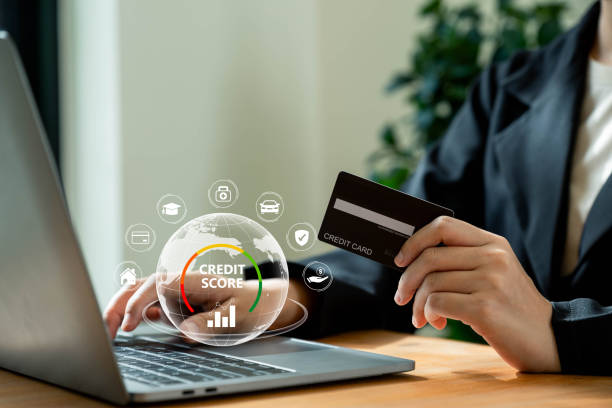
A credit card is a financial payment instrument issued by a bank or another authorized financial institution. It allows the cardholder to make purchases or pay for services using a line of credit instead of money immediately available in a bank account. The cardholder is expected to repay the borrowed amount according to the terms and conditions agreed upon with the card issuer.
Today, credit cards are widely used for shopping, online purchases, travel bookings, utility bill payments, subscription services, and many other transactions. Their popularity comes from the convenience they provide, but responsible use is essential because every transaction creates a repayment obligation.
What Is a Credit Card?
A credit card is different from a debit card. When using a debit card, money is deducted directly from the linked bank account. With a credit card, the issuing institution pays the merchant first, and the customer repays the issuer later.
Every approved credit card includes a credit limit. This limit represents the maximum amount the cardholder can borrow at a given time. The available credit decreases with each purchase and becomes available again after payments are made.
How Credit Card Payments Work
Whenever a credit card is used, the transaction is authorized through the payment network and the merchant receives payment. The transaction then appears on the cardholder’s account.
At the end of each billing cycle, the issuer prepares a statement containing all transactions made during that period. The statement also shows the total balance, payment due date, and minimum payment required.
Many credit cards offer an interest-free grace period for eligible purchases if the full statement balance is paid by the due date. If the balance is carried forward, interest may be charged according to the card agreement.
Common Features
Most credit cards include several standard features.
A predefined credit limit allows spending within an approved amount.
Monthly statements provide a record of transactions and payment information.
Online account access enables customers to review balances, payments, and transaction history.
Most modern cards support contactless payments and secure online payment verification.
Many issuers also provide mobile applications for account management and payment tracking.
Advantages of Credit Cards
One major advantage is convenience. Credit cards are accepted by many merchants around the world, making them useful for everyday purchases as well as international travel.
Another benefit is payment flexibility. Instead of paying immediately at the time of purchase, repayment is made after the billing statement is issued.
Many issuers also provide reward programs on eligible purchases. Depending on the card, rewards may include cashback, points, or travel-related benefits.
Credit cards can also simplify recurring payments for services such as streaming subscriptions, insurance premiums, or utility bills.
Responsibilities of Cardholders
Using a credit card responsibly is just as important as having one.
Cardholders should always monitor their spending and avoid purchasing items they cannot comfortably repay.
Making payments before the due date helps avoid unnecessary charges and keeps the account in good standing.
Monthly statements should be reviewed carefully to verify that every transaction is correct.
Personal information such as the card number, PIN, passwords, and one-time verification codes should always remain confidential.
Fees That May Apply
Depending on the issuer and the specific credit card, certain fees may apply.
These can include annual fees, late payment fees, foreign transaction fees, balance transfer fees, or cash advance fees.
Not every credit card charges the same fees, so reading the official card agreement before applying is important.
Security Measures
Financial institutions use multiple security measures to protect cardholders.
Many cards contain EMV chip technology, which helps improve transaction security.
Online transactions may require additional authentication before payment is approved.
Issuers often monitor unusual account activity and may temporarily block suspicious transactions until they can verify them with the customer.
Cardholders should also report lost or stolen cards immediately to reduce the risk of unauthorized use.
Choosing a Suitable Credit Card
Before applying for a credit card, compare the available options carefully.
Consider the annual fee, applicable interest rates, available rewards, eligibility requirements, customer support, and any additional features offered by the issuer.
Selecting a card that matches your spending habits and financial goals is generally more beneficial than choosing one based only on promotional offers.
Good Habits for Credit Card Users
Responsible cardholders usually develop simple financial habits that reduce unnecessary costs.
Pay the full statement balance whenever possible.
Keep spending within your planned monthly budget.
Check account activity regularly.
Store card information securely.
Contact the issuer promptly if any suspicious transaction appears.
These habits can help reduce financial risk while allowing you to benefit from the convenience of electronic payments.
Conclusion
A credit card is a useful financial product when used with discipline and careful planning. It provides a convenient way to pay for goods and services while offering access to features such as secure transactions, digital account management, and issuer-specific rewards. At the same time, every purchase represents borrowed money that must be repaid according to the agreed terms.
Understanding how credit cards work, reviewing monthly statements, paying bills on time, and protecting personal card information are essential steps toward responsible credit card use. Before applying for any credit card, carefully review the issuer’s official terms, fees, and conditions so you understand both the benefits and your responsibilities as a cardholder.